
How To Introduce Your Baby To Solid Foods

It can be scary for new parents knowing when to introduce your baby to solid foods. Horrible visions of them choking come to mind. But they cannot stay on breastmilk or formula forever! Fortunately, there are safe methods that will help your baby transition onto solids easily. When done right, with patience, this process can be a time of fun and exploration for both parents and child. By enjoying this time you can help your child transition into an avid eater that enjoys a wide variety of tastes and textures making future meal times easy.
When is the right time?
Babies tend to begin to be ready for solid foods when they are around 6 months old. There are a few signs to look out for that can help you determine whether your baby is ready or not. These signs involve a baby’s interest in your food whether it be by looking at what is on your plate or reaching out for food. They may also be ready if they open their mouth when you offer them a spoon and they can sit upright when supported. It is around this time that breastmilk and formula no longer truly fill up their tummies as their body prepares for solid foods.
When you first introduce solids, it is best done gradually after they have drunk their breastmilk or formula. They will still be hungry and will be less likely to outright reject it in their overly hungry state. When babies are really hungry, they tend to want to only eat what they know will fill satisfy that hunger, at this stage that would be breastmilk and formula. When they get their fix offer them a small amount of solid food and begin slowly weaning them off breastmilk and formula.
Food texture types
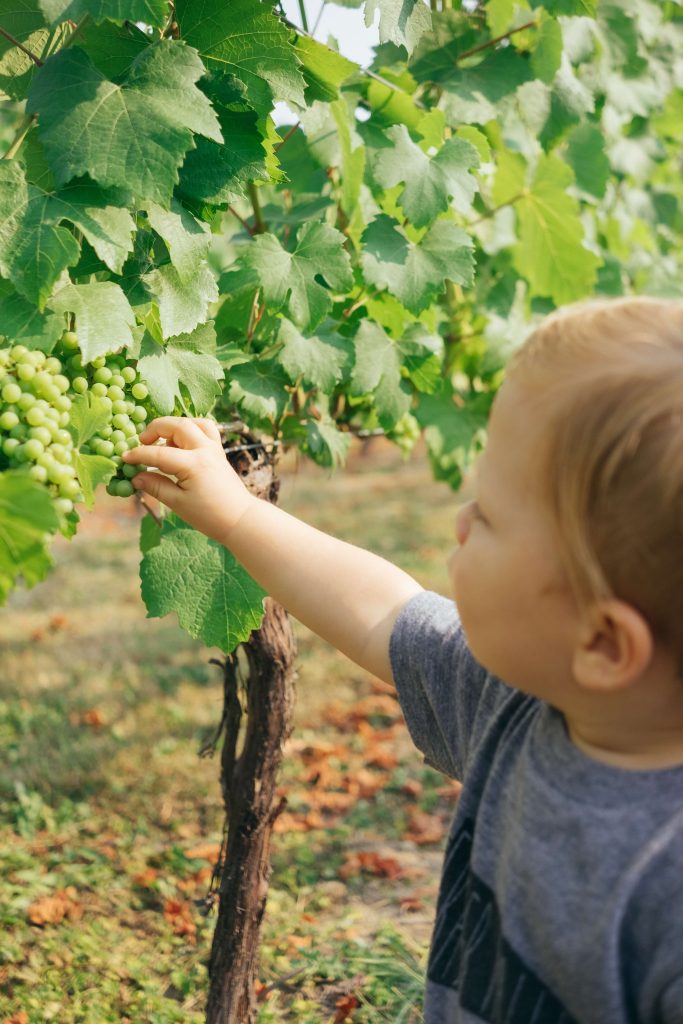
Providing the right textures to your baby is important first up to help the transition. Ensure that your child’s food is mashed, smooth or in soft pieces to provide easy eating. This will help begin the weaning process. Very soon they will be able to go to minced and then chopped foods allowing greater variety.
As your baby develops, they will need to be exposed to a variety of textures. Eating food that has different textures offers them a large variety of food to enjoy which will help them enjoy different foods later on. By giving them different textures to explore they will begin to get used to them potentially reducing fussiness as they get older. Babies also benefit in development from trying different textures. By using textures that encourage chewing your baby will develop these muscles, aiding speech development and encourages self-feeding.
Good food types
The trick with choosing good foods for moving your baby onto solid foods is to choose foods high in iron. This supplements their existing breastmilk and formula diet perfectly, allowing them to get the nutrition that they require. You can include rice cereal, cooked tofu, minced meat or poultry, mashed cooked eggs. Ensure that the texture is right, and these will provide a good source of nutrients for your health bub.
Food types don’t have to stop there, however. As a supplement you can add other healthy foods that add new flavours, expanding your baby’s flavour pallet. Mashed vegetables like cooked potato, soft fruits like mashed banana, oats, bread, pasta, full fat yoghurt, and full fat cheese are all great options. These provide a healthy addition to those iron rich foods that keep things exciting and offer extra nutrients.
Have fun with purees
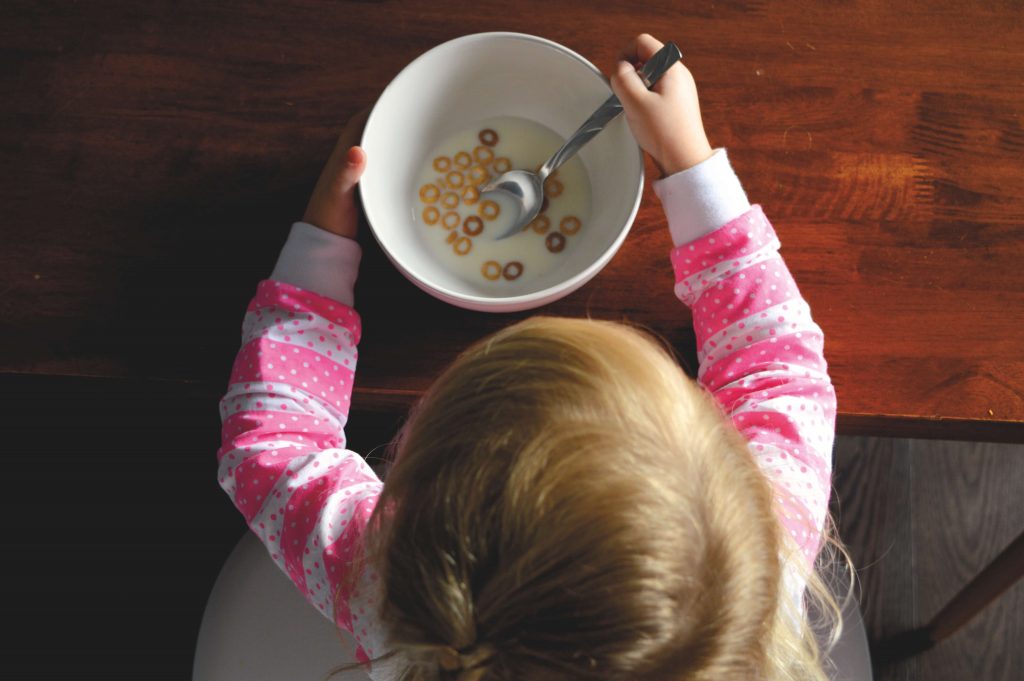
Just because you need to mash or puree your baby’s food does not mean you cant have fun with it. Creating new combinations with your bub can prove to be a fun experience for both of you. They are, after all, trying most things for the first time! Make the food colourful by mixing bright foods together, creating an exciting looking puree and something that has an interesting flavour. When your baby has become used to foods themselves, don’t be afraid of mixing a tiny amount of seasoning into the mix. Seasonings like cinnamon, cumin, turmeric and chilli powder, in small amounts, are the perfect way to allow your child to experiment with new flavours, opening doors to new exciting foods as they grow up.
Dealing with allergies
If there is a history of allergies within your family it is a good idea to consult your GP on how you should approach common allergy foods. For those without that history between the ages of 6 months and 12 is the perfect time to feed your baby these types of foods. You should introduce your child to well cooked eggs before 8 months and peanut butter before 12 months. This can actually lower the risk of your baby developing a food allergy. If you are worried about allergies it is always best to consult your GP on the best approach to have with feeding your child.

Foods to avoid
There are some foods that you must avoid feeding your child until they are older. There are also some foods that you can use but shouldn’t use often.
Foods that you should avoid include:
- Junk foods
- Honey until 12 months
- Reduced fat dairy
- Foods that contain raw eggs like mayonnaise
- Cows milk unit 12 months
- Soy milk, goats milk, sheep milk until 2 years old
- Rice, oat, almond or coconut milk until 2 years old
- Sugary drinks like fruit juice, soft drink, tea or coffee
You should also try to reduce the amount of store-bought purees or baby food. They offer limited textures and tastes meaning your child’s acceptance of newer tastes and textures can be reduced. These types of food are great for when you are traveling or in emergencies, but it is best to provide homemade food instead. These offer a far greater variety in terms of tastes and textures, aiding development.
Can’t get enough of Baby Org? Check out this post on how Dad can help during the first trimester of pregnancy!