
How to Manage Bedwetting

Bedwetting occurs when a child who is otherwise toilet-trained accidentally urinates during sleep and is a common occurrence from toddlers to school age kids. For most, it’s not a serious issue and will likely fix itself in time, although it may affect your child’s self-esteem and cause stress. During this time, its best to remain patient with your child and work together to solve the issue, rather than embarrassing them.
The first step is to understand why bedwetting may occur. Most commonly, it is caused by the body making more urine than the bladder can handle during the night, or your child being unable to wake to up and use the bathroom. If your child stops wetting the bed for a period of time then suddenly starts again, it may be an idea to visit a doctor for a check-up. Rarely, the issue may arise from a medical condition.
The most common causes are listed below:
- A genetic predisposition
- A small bladder capacity
- You child being a deep sleeper
- Active kidneys
- Constipation
- ADHD
Treatment
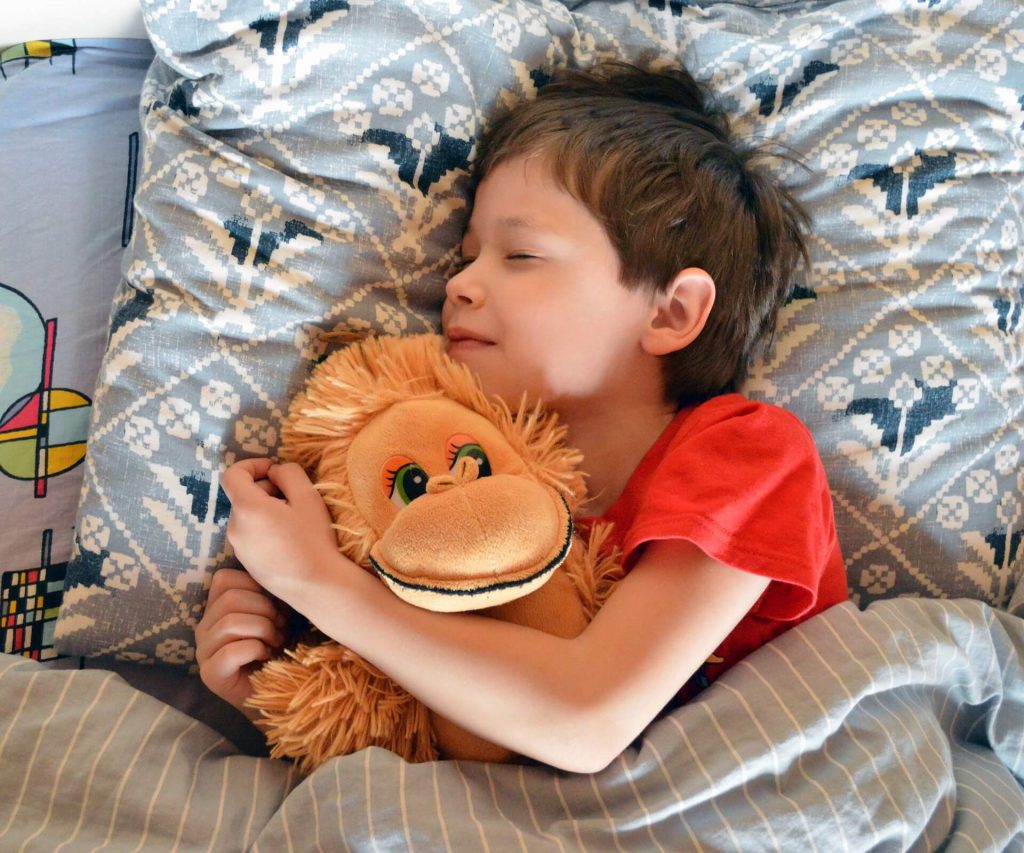
As we said earlier, bedwetting will usually end as your child gets older, although there is no definitive age when this will happen. At four years old, bedwetting is common among almost a third of kids, but by the age of six this had dropped to one in ten. If you are concerned about it, you may want to visit a doctor to rule out any serious issues. Otherwise, there are some simple ways that you and your child can manage bedwetting from home.
Motivate your child
While you should not punish your child for wetting the bed, you can provide positive reinforcement by rewarding them for a dry night. This will encourage your child to work with you in fixing the problem and is especially useful when used with other treatments.
Manage fluid intake
Limiting the amount of water your child takes before bed will help to lessen urine production during the night. Try to encourage them not to drink water from around 2 hours before bed, or after dinner to help with the process. It may also be beneficial to encourage water intake during the day, allowing your child to improve bladder control and capacity.
Bedwetting alarms
These devices are particularly helpful among older children and deep sleepers. Children are also less likely to relapse when using these devices over medications. It works by detecting moisture in the bed and wakes your child up so they can go to the bathroom. This helps to train your child to recognise when their bladder is full and wake up, rather than wetting the bed.
Moisture protectors
While these may not help with fixing the issue, they can make management a bit easier. Nappies can help to absorb the moisture during the night, allowing for a morning clean-up that is less messy. Waterproof pads or covers will accomplish a similar thing, and can be easily cleaned and reused.
Medications
If bedwetting is starting to become a problem, your doctor may advise you that medication is a suitable treatment. There are a variety of medications that may be prescribed to help your child, reducing urine production at night.
Conclusion
Those are just some of the ways you can help manage your child’s bedwetting. It is important not to get angry or punish your child, as that could just serve to make them more anxious. Remember that they can’t help it and focus on being a supportive, patient parent. By working together and with a little help from our guide, you and your child can overcome this obstacle.