
Important life lessons to teach your child

Children are amazing creatures that can bring much joy into your life. If you are a parent, you also know they can bring a fair amount of stress and pain. To maintain a fine balance between these two is a crucial element for establishing a healthy relationship with your kid, but more importantly to set your kid on the right track going into their own lives. These lessons work towards creating an attitude that ensures a good and healthy life for your child, which in turn will be rewarding for you. Here we have created 8 lessons that you should teach your child by enacting yourself.
“Parents are the arbiters of society. They teach children how to behave so that other people will be able to interact with them”
Dr. Jordan B. Peterson

1. Honesty
The act of speaking the truth is something that has been of crucial importance through time, both religiously and in social settings. The importance of honesty can be a confusing matter, as there will be many times when telling a lie is easier – making telling the truth so much harder. By establishing a relationship based on truth with your child, you will ensure that what needs to be said is said, which in turn, ensures a relationship built on trust. Additionally, you should also extend this ‘courtesy’ to others, as the best way to encourage truthfulness in your child is to be a truthful person yourself.
2. Responsibility
Teaching your child to voluntarily take on responsibility caters for many other important life lessons. The main reason responsibility is essential, is that it encourages your child to ‘carry their own weight’. This understanding then spirals into other important attitudes, such as taking responsibility for your own actions by telling the truth about them. People viewed as being ‘responsible’ are often trusted to act without the need of strict supervision, as they act like they are accountable for their own behavior. In turn, this will provide your child with more opportunities and freedom in the workplace, respectively.
You should teach your child to take responsibility in minor steps, such as letting them set the table. If your kid doesn’t understand what that entails, let them learn through micro-tasking. First, let them get a spoon and put it on the table, then proceed with more advancements. This ensures they understand all the micro-processes that go into ‘setting the table’, so they can later fully do it by themselves.
3. Sharing
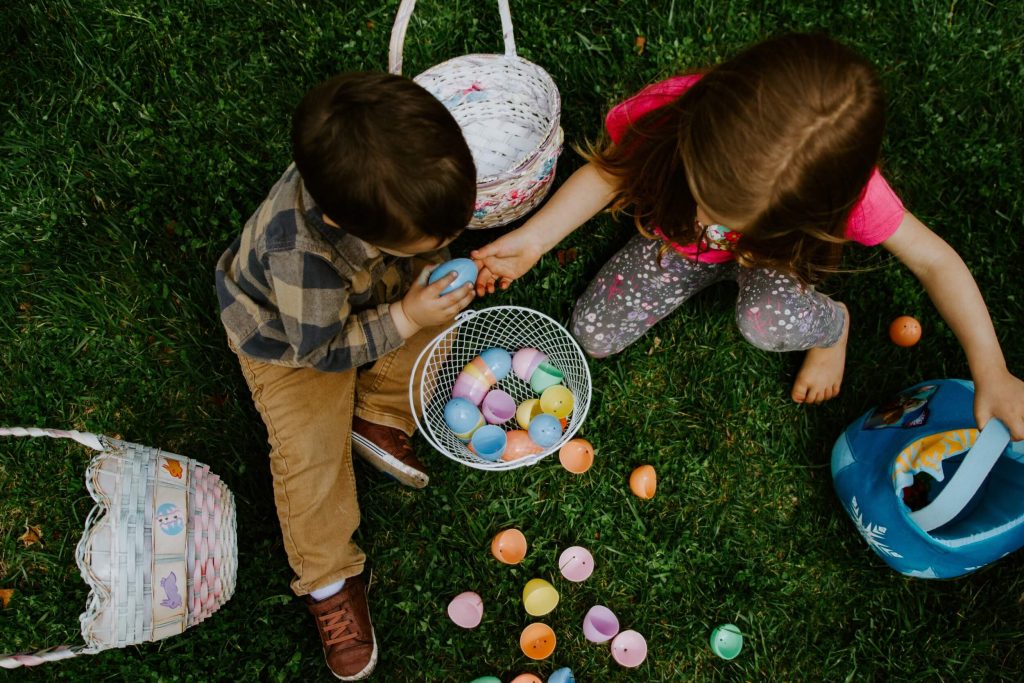
Everybody has heard the saying ‘sharing is caring’ at least a hundred times in their lives, and rightfully so. The act of sharing is crucial in establishing any social relationship, as it sets the grounds for trade with others. If one person is willing to share something that they value with you, then you are more likely to do the same to them in the future. This also plays a major role in setting the values each person has for the other. By engaging in the act of sharing, your child will also learn how to negotiate (understand their own value relevant to others) and taking turns (fairness).
4. Good manners and respect
Teaching your child good manners at an early age sets the standard for social interactions for the rest of the child’s life. Having set good manners, you ensure that other people have pleasant interactions with your child, which in turn makes your child more appealing as a playmate. As children mostly learn through observing, it is important that you, as a parent, have them as well. To instigate good manners, you should emphasise the importance of gratitude and generosity by saying ‘Thank you’ when receiving something and saying ‘You’re welcome’ when sharing something.
Respect bases around accepting someone for who they are, even when they are different from you or disagree with you. Respect should be taught to your children by letting them know when they are disrespecting someone, why they are doing so, and then tell them what they should do instead, all in a respectful manner.
5. Winning/losing gracefully
Life will present many difficult situations to a child and learning how to handle the disappointment is an important way of coping. One way you can teach your child to lose gracefully is by making them investigate what they could have done better. By instilling this attitude of looking internally for the problem, the child is taught to understand that there is always room for self-improvement and that this is what should be focused on.
Dr. Jaak Panksepp performed a psychological experiment with rats that show the fine line between losing and winning gracefully. The experiment based around two rats in relation to play. One was bigger than the other, and the game was a wrestling fight. The two rats went at it a couple of times, but after a few times of having the bigger rat win consistently, the smaller one didn’t want to play anymore. This meant for the big rat, that he was the winner of the game, but on the other hand, he also lost because he didn’t have anyone to play with anymore.
Therefore, winning gracefully bases more around winning in a way in which people still want to play with you. This way of playing should be taught through example when engaging in play with the child.
6. Healthy diet
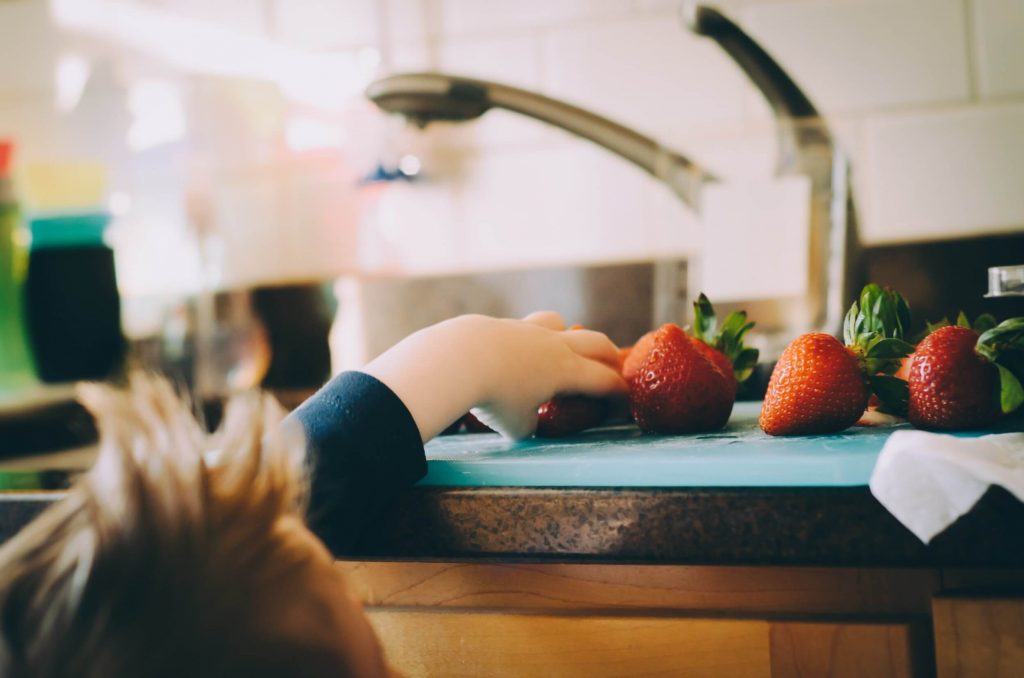
Introducing a healthy diet to a child is a crucial part of ensuring a life without diseases and other health problems. This can be done through integrating a healthy diet for yourself, which likely will drive them to make healthy food choices. If all goes wrong, and the child refuses to eat their greens, there are other ways to go about. By instilling punishments and rewards, such as not being able to leave the table until they finish their meal is a good way to do so. Remember to also slightly award the behavior you would like to progress, with a pat on the back or such.
7. Compassion and Forgiveness
Compassion allows us to put ourselves into others’ shoes and act into making other people’s lives better. An act of compassion often results in creating stronger social bonds, as it is broadly seen as a virtuous trait. To make your child more compassionate, you should be aware of situations where compassion could be applied and encourage them to help. This can be helping an old lady to cross the road or help the neighbours carry their groceries in.
Forgiveness is to let go of resentment or anger, which allows us to live in the present and not dwell on the past. It is a crucial thing to learn, as most people make mistakes. Keeping that resentment inside only makes matters worse as you become stuck in the past. Forgiveness is one of those things that can be best taught through example when your child make a mistake they expect you to be angry at them for.
8. Money management
Introducing money management in early childhood can help the child in developing good financial habits that can ensure economic success in the future. To initiate this process, the child can be introduced to weekly budgets. If they spend too much immediately, they will not have enough for other stuff that may come up later. It then becomes important to stick to the budget that was originally set, as the disappointment from not affording a snack or going to the movies will instigate a change in their behavior.
Conclusion
By taking the 8 lessons mentioned into consideration when raising a child, you will notice that maintaining all of these is not as easy as it seems, and that’s fine. Most of these things we haven’t perfected ourselves, and we can only do our best to teach them to the next generation. So keep a focus on your own behavior, and the child will pick it up like a sponge dipped in water.
You may also enjoy this article about how you can make Fruits + Veggies fun for kids.