
The Ultimate Guide to Starting Preschool

It has finally come. Preschool. One of the biggest changes in both yours and your child’s life since they came into the world. For the first time, you will have to trust your child with another person for 5 days a week. It can be scary, but you are not alone. You and your child have the backing of caring, experienced and trained teachers who know how to help kids and their parents’ transition to preschool age.
Preschool really is a wonderful time for both you and your child. It gives them a chance to learn new skills, how to make friends, and how to be independent. For you, it gives you a chance to catch up on work, hobbies, grocery shopping, cleaning, social time with friends and whatever else you want to do!
Once you both get used to the new routine it will also become a lot easier. You will feel better about dropping your child off at preschool, knowing that they are in the capable hands of their teachers. Your child will feel better, although they will still complain (what child doesn’t complain about going to school), they will get to see their friends, learn new skills and have a ton of fun.
The hard part is getting to this stage. So, we have created this handy guide for parents to help them prepare themselves and their children for the first day of preschool.
Practice Preschool
The first thing you can do for your child to prepare them
for preschool is to practice. This could involve playing games that develop the
skills required in preschool or practicing your routine. Here are some ways you
can do both!
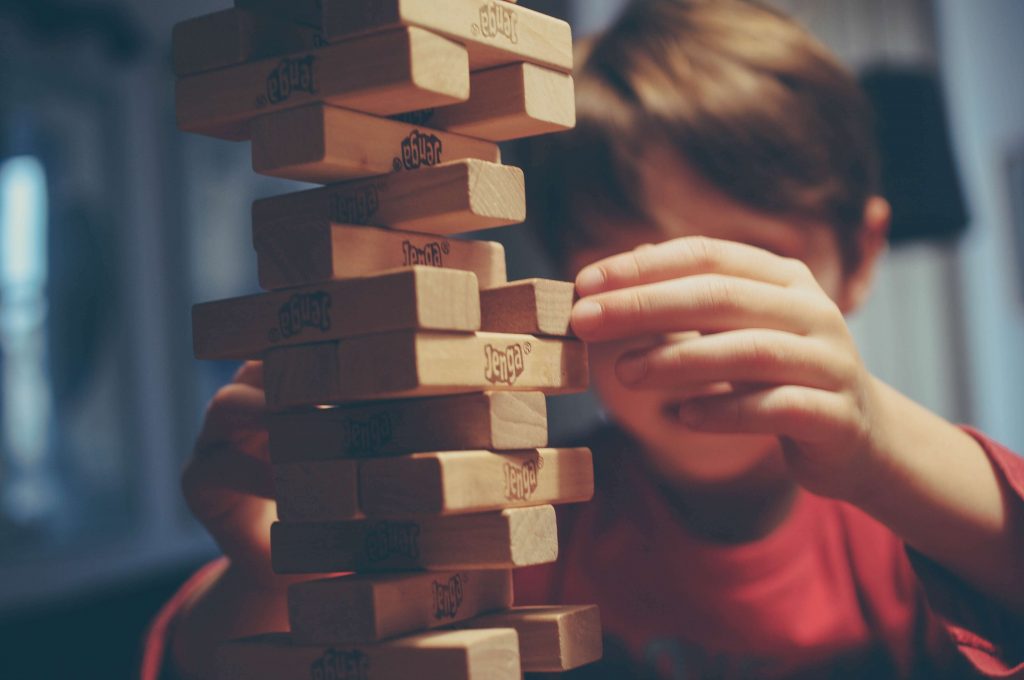
Play board games, card games or ball games
Playing games with your child will allow them to learn a lot of new skills. With the wide range of games, you can play, exactly which skills are developed is completely dependent on the game. However, there are some vital skills for preschool that they will learn from any game.
Social skills like playing nice with others, sharing and how to accept winning or losing are all vital skills in preschool. With other kids around, all wanting to play with particular toys your child may have to wait their turn sometimes. Or they may have to accept losing at a game which will happen from time to time. Developing these skills early will help your child adjust sooner.
Attend playgroups
Playgroups are an excellent place to take the first steps into preschool. They are the closest thing to preschool without actually attending preschool. These can give your child an introduction to what they can expect from preschool. With toys to share with other children and games to win or lose, they get the full preschool experience, but with you there to help.
Slowly introduce a routine
A slow introduction of an early bedtime, morning routine and evening routine prior to starting will help your child adjust for preschool. If you can introduce them to some of the routines they will be expected to follow at preschool at home as well, the transition will be even easier.
Some routines like washing hands before eating, eating at the table, nap time and packing up after themselves will go a long way. Your child will then have no trouble following the preschool routine.
Go on small outings
Take your child out on small outings on the bus or train. This time will help them get exposed to different people and different experiences. Take them to the museum or a park and allow them to spend time playing with other kids. Not only will this teach your child about how to socialise and play nicely, but their immunity will also be built up, perfect for fighting off the preschool bugs.
When taking your child on public transport ensure that you hold their hands on the platforms and when boarding a train or bus. If there are ticket gates at the station, ensure that you go through the large gate, carrying your child through, or keeping them next to you when going through. The gates are not designed for children and tend to close quickly. Stay safe!
Another fun outing you can go on with your child is a picnic. Take a packed lunch similar to what they will eat at the preschool in the lunchbox they will use. This way they can learn how to open their lunchbox and sandwich before starting preschool.
Practice fine motor skills with playdough and scissors
When in preschool your child is going to have to use scissors, glue, paints and other crafting stationary. To give them a head start allow them to practice with scissors and playdough. Get a pair of safety scissors and some satisfying cardboard for them to cut shapes out of or allow them to cut up their playdough with it.
Shaping and building with playdough build hand strength and creativity. Your child will be having fun while gaining the hand strength and coordination needed at preschool.
Overnight stays with grandparents or other relatives
This will help prepare both you and your child for that first day of preschool when you have to say goodbye. By arranging a sleepover with your child’s grandparents, you will be able to get the two of you used to being apart for a period of time. They will be safe, well looked after while having a fun time with Nan and Pop.
Here you can establish your goodbye routine that you can later replicate at preschool. Showing that they can expect to have a fun time after the goodbye routine will help them settle in when at preschool.
Begin to introduce chores
While at preschool your child will have to be able to clean up after themselves, put toys away, and put their dishes away. If you start introducing these jobs at home the switch to preschool will be a lot smoother. Introduce an awards chart to add encouragement, such as a star sticker chart.
By teaching your child to be responsible for their own possessions they will be helping to clean up at preschool. These expectations will then be reinforced at home, you will quickly realise how great it is having a little helper around the house.
Act out common routines your child will face at preschool
Acting out preschool can both be a fun game to play and an excellent learning experience. Sit down with your child, have them sit cross-legged, read them a story and ask them to engage. Act out naptime, mealtime, and playtime. Practice putting on sunscreen and a hat to ensure that they are safe in the sun. By practicing, you help your child understand what they are going to face, turning the first day into one of excitement instead of tears.
Read books about preschool
Go to your local library and borrow out some children’s books in preschool. You can read these to your child to help them figure out what to expect. These books are all about a nervous child realising that preschool is actually a lot of fun. Sit down with your child and have a fun time reading!
Listen or Observe Your Child’s Worries
It is quite likely that your child is nervous or worried about preschool. They may tell you, or, as young children tend to do, struggle to express their worry and instead will act up. It is very easy to dismiss your child’s worries, but instead, you should address them and talk to them. This way they can enjoy their experience at preschool instead of dreading it. Here are some things you can do.
Talk to your child about their worries
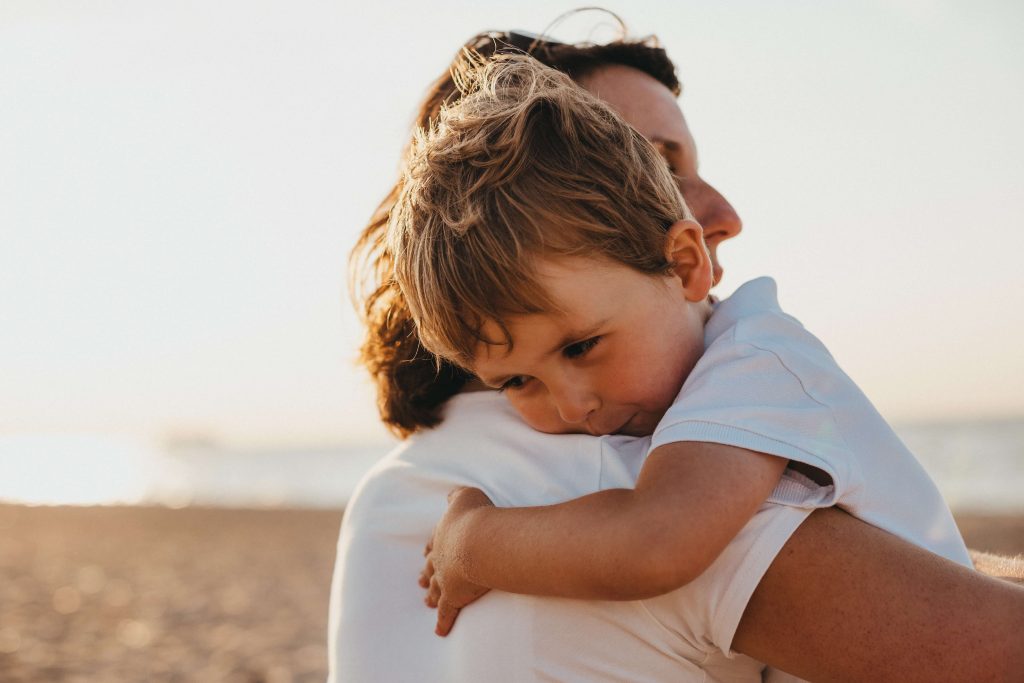
There are many worries children have about starting preschool. It is, after all, a huge step in their lives. They are growing up and becoming more independent. Each child reacts differently, but it is always a good idea to allow your child to talk about what worries them, and to listen.
They may have little worries like whether their teacher will be nice, or they could be worried about making friends. Allowing your child to ask questions and talk about their worries will help them feel better. The key from there is to not just dismiss their worries but to help them overcome them.
Listen and find a solution
The best way to help your child overcome their worries is to listen and then discuss possible solutions with them. Most of the time the solutions will be quite easy. Are they scared they will miss you? Make a little photo album for them to store in their cubby that they can look at when they miss you. Scared the teacher will be mean? Arrange for a visit so they can meet the teacher. There are many creative solutions that can help your child feel better.
What to do in the Lead Up to Preschool
As you begin the countdown to your child’s first day there are a few things you should prepare or do to help make the transition easier. Here are some of those things
The weeks before
The lead up can be very exciting for you and your child. It is time to begin shopping for all the supplies they will need including lunch boxes, bags, hats, etc. You also need to begin finalising their routine during this time.
To start with, you will need to go shopping and choose a backpack and lunchbox. It is a good idea to let them choose a bag and lunch box. This way they will have something that they like, and it emphasises that they are now a “big kid” starting preschool. Everything that your child is taking to preschool should be labeled with their name and class number.
Now is the time to finalise the routine. You need to go through all the pickups and drop-offs, figuring out who is doing what. If your child needs after school care, then arrangements should be made and they should meet their caregiver.
The night before
It is important now that you ensure any last-minute questions are answered. Your child may be more nervous the night before starting, so, will have a lot more questions. Despite their nerves, it is important that a strict routine is maintained, and that they go to bed on time. A tired child is not what you need on the first day.
The morning before
Make this first morning as relaxed as possible. Start by waking up early so that you aren’t in a rush. Make breakfast and sit and eat with your child. You can use this opportunity to talk about the day ahead.
Once breakfast is finished pack lunch with your child. Allow them to see what is going on and where it is. Have fun with the first morning, your child has an exciting day ahead.
Learning How to Say a Good Goodbye
Saying goodbye is the hardest part of the preschool experience. There will be tears and maybe some tantrums, but it needs to happen. However, a bad goodbye could ruin the whole preschool experience for you and your child. Here are some do’s and don’ts of saying goodbye on the first day of preschool.
Stay a moment on their first day
To help your child settle in it is a good idea to plan to stay for 15-30 minutes. You can explore the classroom with your child, talk to the teacher and help them find some other children to play with. When they have settled in it is a good time to say good-bye before leaving.
Stay positive
By staying upbeat about their first day you will help your child feel more confident and excited about it. You may feel worried or sad, but it is vital that you stay upbeat for them. Children can pick up on worry in adults around them. Staying positive will help them settle into preschool much faster.
Develop a goodbye routine
Sometimes a goodbye routine is necessary to help nervous children. They are often comforting, especially when used before fun experiences as mentioned earlier. You could invent a secret handshake, sing a special song, or give them a kiss on the palm to “hold all day”.
Don’t rush back in if they cry
If they do cry when you leave it will be hard to resist running back in to comfort them. Unfortunately, as upsetting as it may be, running back in to help comfort your child may make it harder for them to adapt to preschool. You won’t be able to do that every day after all.
The teachers at the preschool are experienced and know exactly what to do. They have helped many families transition into preschool. So, your child will be fine.
Talk to the preschool teachers later in the day
If you are worried as to how your child’s morning went you can call the preschool later in the day. This way you can help ease any of your worries and ask any questions. The teachers at a preschool are generally more than willing to answer questions and understand that it is not just the child that is nervous about the day.
Looking for more preschool articles? Check out the Best Educational Apps for Toddlers.