
Sun Safety with your Children

Going out and getting some sun can be beneficial for your baby, as a great source of vitamin D and an introduction to the outside world. You should, however, consider how to protect your baby against exposure to harmful UV rays, with the Australian sun being particularly harsh. Avoiding sunburn and prolonged exposure at this young age can decrease the possibility of your child developing melanoma later in life. We’ll guide you through the best ways to protect your baby, based on their age.
Newborns (0 – 6 Months)
For newborn children, sunscreen is not recommended as their skin is still too sensitive. They also have a lower amount of protective melanin in their skin, meaning the best way to sun safety is shade.
It’s good to be prepared when taking your baby out, with a wide brim hat and lightweight long-sleeve clothes to limit direct sun exposure. Taking a pram with an extendable sunshade will also help your baby stay safe out of the sun.
If you’re only going out for a short time, you may want to avoid the harsh midday sun. Instead, consider saving your walk for later in the afternoon or earlier in the morning when the sun is not as strong.
Older Babies (6 – 12 Months)
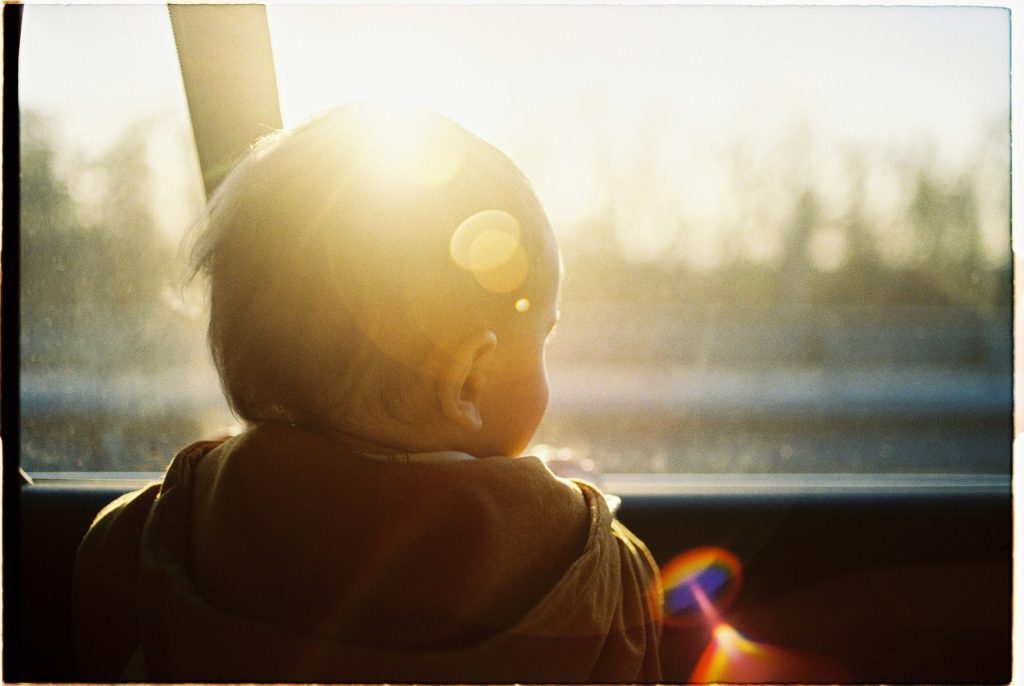
As your baby gets older, and their skin develops, you will be able to use sunscreen to better protect them from the harsh rays. When first using sunscreen, you may want to test some on a small area of skin beforehand, to test for any reactions.
SPF30+ is recommended for your baby, applied around 20 minutes before going outside and every 2-3 hours after that. Keep in mind that if they’re playing in water, you may want to reapply more often, about every 1-2 hours.
Just because they are wearing sunscreen does not mean they’re are now immune to the sun. It is still a good idea to avoid the harsh midday sun where possible, and to wear a broad brimmed hat that protects the face and neck. Other sun safety precautions to consider are wraparound sunglasses to protect their eyes, and long-sleeved clothes that are still breathable.
Toddlers (12+ Months)
You may find that it is even harder to keep your toddlers sun safe, as they begin to explore the world on their own. Your wilful child may decide that they dislike wearing hats or sunscreen, making it important to communicate and act like a role model.
You may like to consider spray on sunscreen as an easier-to-apply alternative, although you should avoid the face with these. The usual recommendations of long sleeves and hats still apply here, and rash shirts can be great for swimming as they dry faster and keep them warm.
The best thing you can do if your toddler is playing outdoors is to find a spot that is shady. Whether is moving your kiddie pool under a tree or ensuring the playground you choose has shade cloths.
Kids
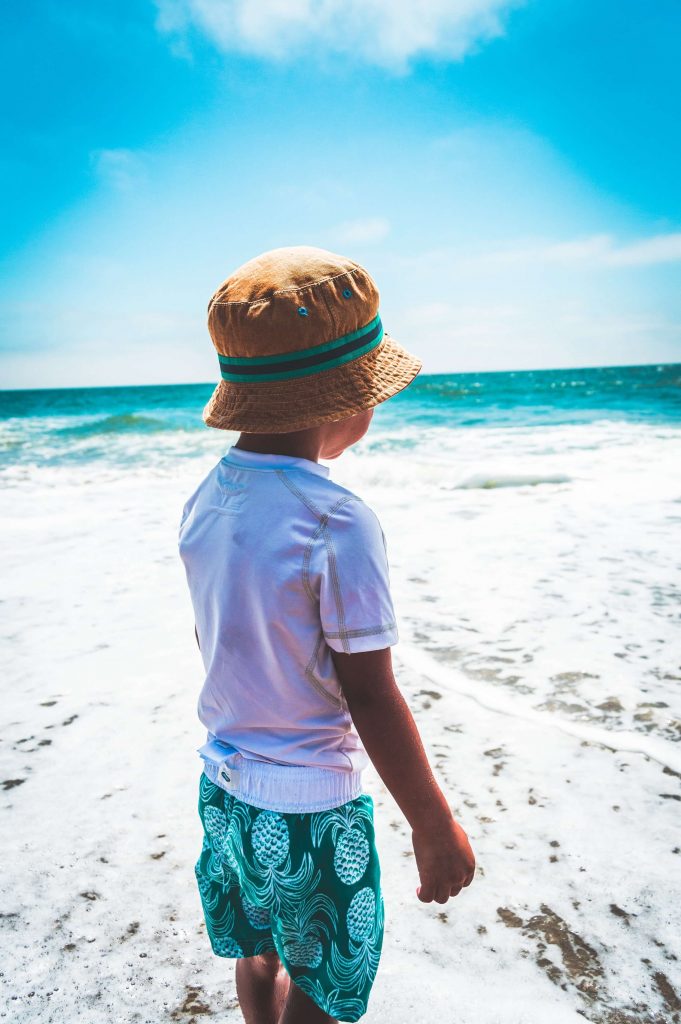
As your children grow older and start going to preschool or primary school, it can be difficult to ensure they are staying sun safe. Most Australian schools have a ‘no hat, no play’ policy in place to help with this, and you can improve on its effectiveness by buying your child a wider brimmed hat for extra protection.
At this age, however, your kids will do whatever they want, meaning it’s more effective to make sure they understand the importance of sun safety. Encourage the use of sunscreen and wearing hats by making it a routine and, of course, being a role model in this.
Conclusion
In the end, the best thing you can do for your child’s sun safety is to encourage good habits. By getting them used to wearing sunscreen and a hat, you are preparing them for a lifetime in the hot Australian sun. With the recommendations mentioned above, you can make sure your baby can enjoy all that the sun has to offer in safety.